Residential and consumer horticulture includes the home production of vegetables, flowers, lawns, ornamentals, and other plants in a noncommercial manner. Extension programs in this area address the horticultural needs of homeowners and the general public in regard to proper management of home lawns, gardens, and ornamental landscapes. Residential horticulture touches so many aspects of Tennessee residents’ lives from food production, to environmental stewardship, to quality of life.
Welcome to Greene County Extension’s horticulture resource page! Whether you are growing your first vegetable garden, maintaining a lawn, planting trees and flowers, managing pests, or exploring beekeeping, these resources can help you make informed decisions for your home, garden, and landscape.
Gardening in Greene County comes with unique opportunities and challenges. East Tennessee’s climate supports a wide variety of plants, but local conditions such as elevation, sunlight, soil type, drainage, slope, and seasonal weather can affect how well they grow. Understanding your site and choosing appropriate practices are important steps toward success.
How to Use This Page
Use the topic tabs to find information specific to your gardening or horticulture needs. Each tab includes an introduction to the topic, considerations for Greene County residents, and recommended University of Tennessee Extension publications and other educational resources.
Explore the tabs for information about:
- Vegetable Gardening: Planning, planting, maintaining, and harvesting a productive garden.
- Fruit & Small Fruits: Selecting and managing fruit trees, berries, grapes, and other fruit crops.
- Trees, Shrubs & Landscapes: Choosing, planting, and maintaining landscape plants.
- Flowers & Ornamentals: Growing annuals, perennials, bulbs, and ornamental grasses.
- Lawn & Turfgrass: Selecting grasses, establishing lawns, and managing common lawn problems.
- Soil Testing, Soil Management & Compost: Understanding soil test results, managing nutrients, improving soil, and composting.
- Pests, Diseases & Plant Problems: Identifying potential causes of plant damage and finding appropriate management resources.
- Pollinators & Native Plants: Supporting pollinators and incorporating native and well-adapted plants into your landscape.
- Sustainable Landscaping & Water Management: Managing runoff, erosion, irrigation, and other landscape concerns.
- Beekeeping: Finding resources for colony management, bee health, training, and Tennessee regulations.
Start With Research-Based Information
Many of the resources linked throughout this website are provided by University of Tennessee Extension. These publications offer research-based guidance to help you make decisions about plant selection, planting practices, soil management, pest identification, and more.
When using these resources, keep your specific growing conditions in mind. Recommendations may need to be adapted to your property, and identifying a problem correctly is an important first step before applying treatments or making changes.
A helpful place to start: If you are establishing a new garden or landscape, consider your site conditions and soil needs before purchasing plants or applying fertilizer. A little planning can help prevent common problems later.
Need Help With a Horticulture Question?
If you cannot find what you need, are unsure which resource applies to your situation, or need help determining the next step, contact the Greene County Extension office first. We can help direct you to appropriate research-based information and determine whether additional assistance or diagnostic services may be needed.
When asking about a plant problem, include clear photos of the entire plant and close-ups of the affected areas, along with information about the plant, its growing conditions, when the problem began, and any products you have applied.
For questions about beekeeping, please contact Greene County Extension before purchasing bees, establishing an apiary, moving colonies, or taking action on a colony health concern.
Our goal is to help Greene County residents grow successfully, care for their landscapes responsibly, and make informed horticulture decisions using reliable Extension resources.
Have a question? Start by contacting Greene County Extension.

Vegetable Production in Greene County
Greene County’s location in East Tennessee provides a long growing season suitable for a wide variety of vegetables, including both cool-season and warm-season crops. However, when you plant can be just as important as what you plant.
Local gardens can experience differences in frost, soil temperature, drainage, and growing conditions depending on elevation, slope, and exposure. Low-lying areas may remain colder longer in spring, while south-facing or protected sites may warm earlier.
For this reason, Tennessee planting recommendations should be used as a guide, while gardeners should also pay attention to local weather and soil conditions
What Works Well in Greene County:
Plan for both cool- and warm-season production. Cool-season vegetables can provide an early spring and fall harvest, while warm-season crops perform best after the danger of damaging frost has passed.
Test your soil before planting. Greene County soils can vary considerably. Soil testing is particularly important when establishing a new garden, raised bed, or community garden.
Pay attention to drainage. Heavy or clay soils can hold water, while other sites may drain quickly. Improving soil structure with appropriate organic matter and using raised beds can be helpful where drainage is poor.
Watch local weather. Don’t rely solely on the calendar when deciding when to plant frost-sensitive crops. Weather conditions can vary from one part of the county to another.
Use succession planting. Greene County’s growing season allows gardeners to follow spring crops with warm-season crops and then transition back to cool-season vegetables in late summer and fall.
Greene County gardeners can grow:
- Tomatoes
- Peppers
- Beans
- Corn
- Cucumbers
- Squash
- Melons
- Potatoes
- Sweet potatoes
- Lettuce
- Spinach
- Kale and other greens
- Broccoli and cabbage
- Carrots
- Onions
- Herbs
- And many other crops
Greene County Gardeners Should Know:
Before you plant:
→ Soil test
→ Plan your garden
→ Choose adapted varieties
→ Consider drainage and sunlight
→ Watch the weather
During the season:
→ Monitor plants regularly
→ Scout for insects and disease
→ Maintain consistent soil moisture
→ Harvest regularly
→ Keep weeds under control
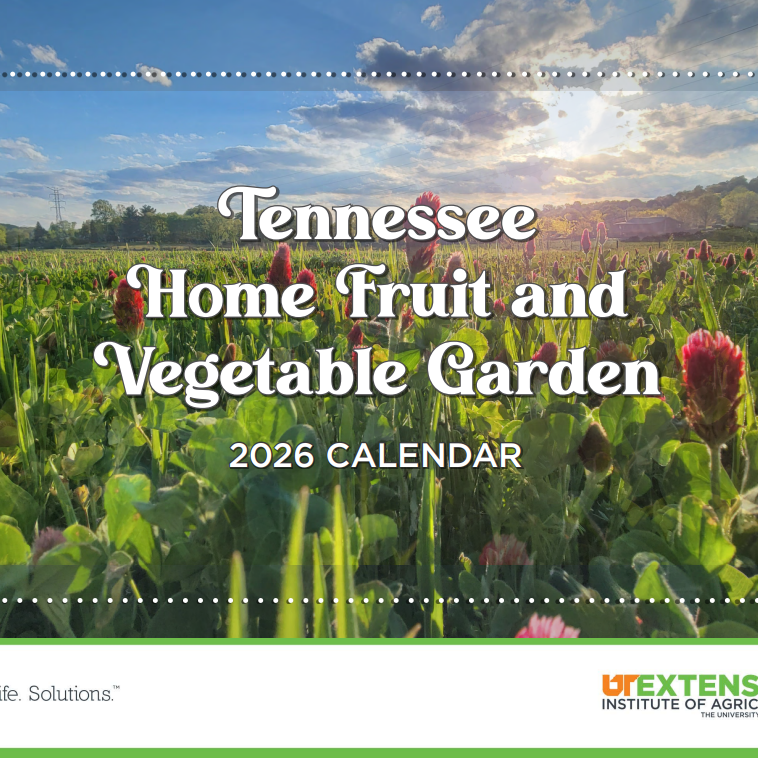
UT’s Tennessee Home Fruit and Vegetable Garden Calendar provides month-by-month recommendations, including East Tennessee-specific guidance.
Recommended UT Extension Resources
- Tennessee Home Fruit and Vegetable Garden Calendar (W436)
- The Tennessee Vegetable Garden Series (W346)
- Site Selection and Soil Testing (W346A)
- Garden Planning, Plant Preparation and Planting (W346B)
- Managing Plant Nutrition (W346C)
- Building and Using Raised Beds (W346E)
- Season Extension Methods (W346F)
- Growing Tomatoes (W346H)
- Harvest, Handling and Storage (W346I)
Explore all UT resources for Vegetables: UT Hort – Vegetables & Herbs
Fruit Production in Greene County
Greene County’s East Tennessee climate allows homeowners to grow a wide range of tree fruits and small fruits, but fruit production requires more planning than many annual garden crops.
Successful fruit production begins with choosing the right crop and cultivar for the site.
Apples, peaches, pears, blueberries, blackberries, raspberries, grapes, strawberries, figs, pawpaws, and other fruit crops can be grown in the region when properly selected and managed.
What Makes Fruit Growing Different Here?
Spring frost is one of the biggest challenges.
Fruit trees can begin flowering early in the spring, leaving blossoms vulnerable to late freezes. This is particularly important for peaches, apples, and other early-blooming fruits.
Site selection matters. A sheltered site may behave very differently from a low-lying area where cold air settles.
Disease pressure can also be significant in East Tennessee. Warm, humid conditions can favor many fungal and bacterial diseases, making cultivar selection, sanitation, pruning, and timely pest management important.
Choosing Fruit for Greene County
When selecting a fruit tree or small fruit, consider:
- Is the cultivar adapted to Tennessee?
- Does it require a pollinator?
- When does it bloom?
- When does it ripen?
- Is it susceptible to common diseases?
- Does it require a regular spray program?
- Does it have adequate winter hardiness?
- Is the site well drained?
- Does it receive adequate sunlight?
Don’t choose a fruit tree simply because it grows well somewhere else. Choose a crop and cultivar suited to your site and East Tennessee conditions.
Explore all UT resources for Fruit: UT Hort – Fruits
UT’s Tennessee Home Fruit and Vegetable Garden Calendar provides month-by-month recommendations, including East Tennessee-specific guidance.
Recommended UT Extension Resources
- Tennessee Home Fruit and Vegetable Garden Calendar (W436)
- Disease and Insect Control in Home Fruit Plantings (PB1622)
- Selecting Apples and Pears for Residential Production in Tennessee (W895D)
- Selecting Peaches, Plums and Cherries for Residential Production in Tennessee (W895F)
- Selecting Blueberries for Residential Production in Tennessee (W895A)
- Selecting Grapes for Residential Production in Tennessee (W895E)
- Selecting Caneberries for Residential Production in Tennessee (W895B)
- Figs for Tennessee Gardens and Landscapes (D234B)
- Pawpaws for Tennessee Gardens and Landscapes (D234C)
- Persimmons for Tennessee Gardens and Landscapes (D234D)
- Elderberries for Tennessee Gardens and Landscapes (D234A)
Landscaping in Greene County
Greene County homeowners have a wide range of options for creating beautiful landscapes, but successful landscaping starts with understanding your specific site.
Plant the Right Plant in the Right Place
One of the most common landscape problems is selecting a plant based on appearance without considering whether the site meets its growing requirements.
Before planting a tree or shrub, ask:
Will it have enough room when mature?
Does it need full sun or shade?
Does the soil drain well?
Will it tolerate our winters?
Will deer be a problem?
Will it interfere with buildings, utilities, sidewalks, or roads?
Before selecting a plant, consider:
- Sun exposure
- Soil type
- Drainage
- Slope
- Available space
- Mature plant size
- Winter exposure
- Deer pressure
- Water availability
A plant that performs well in one Greene County landscape may struggle in another because of differences in soil, drainage, elevation, or exposure.
Greene County Landscape Challenges
Homeowners may encounter:
- Heavy or compacted soils
- Poor drainage
- Slopes and erosion
- Drought stress
- Deer browsing
- Insect pests
- Plant diseases
- Improper planting
- Over mulching
- Improper pruning
Recommended UT Extension Resources
- Sustainable Landscaping Planning and Plant Selection (W868)
- Leveraging Your Landscape: A Guide to Evaluating and Planning Outdoor Spaces (W869)
- Native Trees for Tennessee Landscapes (SP515)
- Small Flowering Trees for Tennessee Landscapes (SP513)
- Groundcovers for Tennessee Landscapes (W874E)
- Living Screens for Tennessee Landscapes (W874C)
- TN Landscapers Guide to Hydrangeas (W304)
- Plants for Tennessee Landscapes: Annuals (W874A)
- Plants for Tennessee Landscapes: Perennials (W874B)
- Plants for Tennessee Landscapes: Ornamental Grasses (W874D)
- Plants for Tennessee Landscapes: Bulbs (D140)
- Best Management Practices for Planting Ornamental Plants (PB1621)
- Mulching Your Trees and Landscapes (SP617)
- Best Management Practices for Pruning Landscape Trees, Shrubs and Groundcovers (PB1619)
- Basics of Irrigation in Residential Landscapes (W871)
- 12 Common Landscape Mistakes (W175)
Explore all UT resources for Landscapes: UT Hort – Landscapes
Flowers & Ornamentals in Greene County
Flowers & Ornamentals in Greene County
Greene County gardeners can grow a wide variety of annuals, perennials, bulbs, ornamental grasses and flowering shrubs. Successful flower gardening starts with matching the plant to the site.
Consider sunlight, soil, drainage, mature size and moisture requirements before planting.
Recommended UT Extension Resources
- Plants for Tennessee Landscapes: Annuals (W874A)
- Plants for Tennessee Landscapes: Perennials (W874B)
- Plants for Tennessee Landscapes: Ornamental Grasses (W874D)
- Plants for Tennessee Landscapes: Bulbs (D140)
- Plants for Tennessee Landscapes: Seed-Grown Flowers (D139)
- Plant of the Month Articles
- TN Native Plant Alternatives to Non-Native Invasives
- UT Plant Sleuth – Plant Identification Videos
Explore all UT resources for landscapes: UT Hort – Landscapes
Lawns in Greene County
Greene County is located in Tennessee’s transition zone, which means homeowners have options for both cool-season and warm-season turfgrasses.
For many Greene County homeowners, tall fescue is an important cool-season option, while warm-season grasses such as bermudagrass and zoysiagrass can be appropriate for sites that meet their growing requirements.
Greene County Lawn Tip
If you are renovating an existing lawn, identify the grass you already have before purchasing seed. Mixing incompatible grasses can create an inconsistent lawn and make future maintenance more difficult.
The best grass for your property depends on factors such as:
- Sunlight
- Soil
- Drainage
- Intended use
- Maintenance expectations
- Irrigation availability
- Winter temperatures
Lawn Problems We Commonly See
A struggling lawn may not simply need fertilizer.
Problems can result from:
- Incorrect grass selection
- Poor soil conditions
- Compaction
- Improper mowing
- Improper irrigation
- Insects
- Diseases
- Weeds
- Heat or drought stress
- Shade
Identify the problem before treating it.
Adding fertilizer or applying an herbicide without knowing what is actually causing the problem can waste money and sometimes make the problem worse.
Recommended UT Extension Resources
- Turfgrass Selection for Tennessee Landscapes (PB1935)
- Basic Turfgrass Requirements (W161A)
- Turfgrass Maintenance Series (W161)
- Turfgrass Establishment Series (W160)
- Turfgrass Selection Series (W159)
- Preparing to Plant (W160A)
- Sodding and Plugging (W160C)
- Developing a Turf Fertilization Plan (W161C)
- Turfgrass Irrigation (W161F)
- Turfgrass Mowing (W161I)
- Lawn and Landscape Weed Control for Homeowners (W1068)
- Crabgrass Control in Turfgrass (W146)
- Nutsedge and Kyllinga (W260)
- Turfgrass Diseases and Their Control (PB842)
- Lawn Insects: How to Control Them (PB1158)
- Mobile Weed Manual (Available on the App Store & Google Play)
Explore all UT resources for Turfgrass: UT Hort – Turfgrass
Soil Management in Greene County
Know Your Soil
Soils vary significantly across Greene County. A soil that works well for one garden may be very different from the soil just a few miles away.
Before adding lime, fertilizer, or other amendments, start with a soil test.
Greene County Soil Considerations
Some sites may have heavy clay soils, while others may have soils that are shallow, rocky, compacted, or poorly drained.
If you are establishing a new garden or landscape, don’t assume that adding fertilizer is the answer. Improving drainage, organic matter, soil structure, or site preparation may be more important.
Test first. Amend based on the results—not guesswork.
A soil test can help determine:
- Soil pH
- Phosphorus
- Potassium
- Other nutrient levels
- Lime requirements
- Fertilizer recommendations
This is especially important for:
- Community gardens
- Vegetable gardens
- Fruit trees
- Raised beds
- Lawns
- New landscape beds
Recommended UT Extension Resources
- Soil Testing
- Site Selection and Soil Testing (W346A)
- Managing Plant Nutrition (W346C)
- Getting the Most Out of Your Home Vegetable Garden Soil Test (W804A)
- Getting the Most Out of Your Raised Bed or Potting Mix Test (W804B)
- Composting for Residential and Community Gardens (W1391)
Soil testing information: UT Soil, Plant & Pest Center
Explore UT resources for Stewardship: UT Hort – Stewardship
Plant Problem Diagnosis in Greene County
What’s Wrong With My Plant?
One of the most common questions received by Extension is:
“What’s wrong with my plant?”
Plant problems in Greene County can be caused by insects, diseases, weeds, weather, soil conditions, improper watering, nutrition, herbicide injury, planting problems, or combinations of several factors.
The first step is correct identification.
Before Treating a Problem
Don’t automatically reach for an insecticide or fungicide.
Instead:
- Determine whether treatment is actually necessary.
- Identify the plant.
- Identify the symptoms.
- Look for patterns.
- Check the roots, stems, leaves, and fruit when appropriate.
- Consider weather and growing conditions.
- Look for insects or disease signs.
Greene County Plant Problems
Seasonal conditions can influence what Extension sees locally. Pest and disease activity changes throughout the year, so Greene County gardeners should regularly scout their plants rather than waiting until damage becomes severe.
When asking Extension for help, provide:
- A photo of the entire plant
- Close-up photos of symptoms
- Photos of insects or other organisms
- Information about when the problem began
- Growing conditions
- Any products already applied

Recommended UT Extension Resources
Fruit & Vegetable Diagnostics
- Disease Control for the Home Vegetable Garden (W316)
- You Can Control Garden Insects (PB595)
- Common Herbicides for Fruit and Vegetable Weed Control (W245)
- Tomato Wilt Problems (SP370C)
Lawn & Landscape Diagnostics
- Mobile Weed Manual (Available on the App Store & Google Play)
- Turfgrass Diseases and Their Control (PB842)
- Lawn Insects: How to Control Them (PB1158)
- Diagnosis of Ornamental Plant Diseases (W834)
- Diseases of Shade and Ornamental Trees (SP546)
- Bacterial Scorch in Landscape Trees (SP661)
- Insect Defoliators of Ornamental Trees and Shrubs (SP609)
UT maintains dedicated diagnostic resources for both fruit/vegetable problems and lawn/landscape problems.
Explore: IPM QuickFacts Series (W289)
Pollinator Gardening in Greene County
Greene County’s forests, farms, gardens, roadsides, and landscapes provide habitat for a wide variety of native bees, butterflies, moths, hummingbirds, and other pollinators.
Homeowners can support pollinators by incorporating a diversity of flowering plants into their landscapes.
A successful pollinator garden should provide:
- Flowers throughout the growing season
- A variety of flower shapes and sizes
- Native and well-adapted plants
- Shelter and nesting habitat
- Water where appropriate
- Reduced pesticide exposure
Think Beyond One Flowering Season
Rather than choosing plants that all bloom at the same time, plan your garden so something is flowering from spring through fall.
This benefits pollinators while also providing a more attractive landscape throughout the growing season.
UT Extension’s Planting for Pollinators in East Tennessee (W1095) is especially appropriate for Greene County gardeners because it focuses specifically on native perennials for eastern Tennessee.
Recommended UT Extension Resources
- Planting for Pollinators in East Tennessee (W1095)
- Native Plant Database
- Native Plant and Other Conservation Resource Suppliers
- Managing Wildlife Around Your Home (PB1868)
- Butterfly Gardening (PB1636)
- Hummingbird Gardening in Tennessee (W305)
- Native Trees for Tennessee (SP515)
UT’s current native plant and wildlife resources include a native plant database and publications focused on pollinators, wildlife habitat, butterflies, hummingbirds and deer.
Explore all resources for Pollinator Gardening: UT Hort – Native Plants & Wildlife
Sustainable Landscaping in Greene County
Sustainable landscaping means designing and managing your landscape in a way that works with your site’s natural characteristics while conserving resources and supporting a healthy environment.
Greene County homeowners can use sustainable practices to address issues such as runoff, erosion, water use, soil health and habitat.
Greene County Considerations
Before changing your landscape, ask:
Where does water collect?
Where does it drain?
Where does erosion occur?
Which areas receive full sun or shade?
Which areas stay wet or dry?
Understanding your property first can help you choose plants and practices that will work long-term.
Recommended UT Extension Resources
- Sustainable Landscaping Planning and Plant Selection (W868)
- Leveraging Your Landscape: A Guide to Evaluating and Planning Outdoor Spaces (W869)
- Rain Gardens for Tennessee: A Homeowner’s Guide (W1137)
- Rain Garden Plant Recommendations for Tennessee
- Rain Barrels Make Good Sense (W276)
- Basics of Irrigation in Residential Landscapes (W871)
- Soil Testing
- Composting for Residential and Community Gardens (W1391)
UT’s stewardship resources specifically address sustainable landscaping, stormwater, rain gardens, irrigation, soil, mulching and composting.
Explore UT resources for Stewardship: UT Hort – Stewardship
Beekeeping in Greene County
Honey bees play an important role in pollinating many of the fruits, vegetables, and flowering plants grown throughout Greene County. Whether you are considering starting your first hive or are an experienced beekeeper, UT Extension provides research-based resources to help you manage healthy colonies and make informed beekeeping decisions.
Beekeeping requires ongoing attention to colony health, nutrition, pest management, seasonal changes, and local conditions. Successful management begins with learning the basics, regularly inspecting colonies, maintaining records, and staying informed about emerging pests and diseases.
Before purchasing bees, establishing an apiary, moving colonies, or seeking assistance with a beekeeping concern, please contact the Greene County Extension office first. We can help you identify appropriate resources, understand next steps, and determine when additional assistance from a beekeeping specialist or the Tennessee Department of Agriculture may be needed.
Getting Started in Greene County
If you are new to beekeeping, take time to learn about hive management, equipment, colony health, and the responsibilities involved before investing in bees and supplies.
When planning an apiary, consider:
- Location: Choose a suitable site with appropriate sunlight, drainage, access, and consideration for neighboring properties.
- Water: Provide a dependable water source near your colonies.
- Colony health: Learn to recognize signs of pests, diseases, and nutritional stress.
- Seasonal management: Understand how colony needs change throughout the year.
- Registration and regulations: Review Tennessee’s apiary registration requirements and applicable state regulations before establishing or moving colonies.
Growing conditions, forage availability, and weather can vary across Greene County. Observing local flowering plants and seasonal conditions can help you plan for colony nutrition and management.
Tennessee Department of Agriculture: Apiary Laws & Regulations
Beekeepers in Tennessee must follow applicable state laws and regulations governing honey bee colonies, apiary registration, inspections, and the movement of bees and used beekeeping equipment.
The Tennessee Department of Agriculture (TDA) oversees apiary registration and regulatory matters through the State Apiarist.
Important considerations include:
- Apiary registration: Tennessee requires honey bee colonies and apiary locations to be registered with TDA. Review current registration requirements and renewal procedures.
- Inspections: Certain activities, including selling or transporting colonies and used beekeeping equipment, are subject to state inspection requirements.
- Moving bees: Additional requirements may apply when transporting bees or used equipment into, out of, or within Tennessee.
- Pests and diseases: Beekeepers should promptly seek appropriate guidance when they suspect a regulated pest or disease.
Requirements can vary depending on the activity. Review the official state resources before buying, selling, transporting, or establishing colonies.
Need Help With Beekeeping?
Please contact Greene County Extension first for all beekeeping questions and concerns.
Whether you are considering starting an apiary, need help finding educational resources, have questions about colony management, or are concerned about bee health, your local Extension office can help direct you to appropriate research-based information and additional assistance when needed.
When contacting the office about a colony problem, provide a description of what you are observing, how long the issue has been occurring, recent management practices, and clear photos when possible.
For regulatory questions, inspections, registration, or suspected regulated pests and diseases, you may also need to work directly with the Tennessee Department of Agriculture.
Start here: Contact the Greene County Extension office before taking action so we can help you determine the appropriate next steps.
Recommended UT Extension Resources
- Beekeeping in Tennessee (PB1745)
- Planting for Pollinators in East Tennessee (W1095)
- Tropilaelaps Mites – a Looming Threat to Honey Bees in the United States (W1224)
- Honey Bee Nutrition Fact Sheet (W1152)
- Honey Bee Inspections and Recordkeeping (W1151)
Tennessee Master Beekeeping Program
The Tennessee Master Beekeeping Program is a statewide educational program offered through the University of Tennessee in cooperation with county Extension offices. It provides structured training to improve beekeeping knowledge and skills for individuals at different experience levels.
The program offers basic and advanced training opportunities, including hands-on learning. The basic course is appropriate for people interested in beekeeping, even if they do not yet own bees. Advanced courses have additional prerequisites.
Class locations, dates, registration requirements, and availability vary. Visit the program website for current information.
Interested in becoming a beekeeper or furthering your knowledge? Contact Greene County Extension first to discuss available educational resources and training opportunities.