ASK US! Services and Gardening Resources

ASK US! Services and Gardening Resources

ASK US!

Have a gardening question? Big Spring Master Gardener Association is here to help! Ask us about plants, insects, diseases, vegetables, lawns, trees, or other gardening challenges. We’ll help connect you with research-based information from UT Extension to help you find the answer.

Ask Us! Services and Gardening Resources
Name
Name
First Name
Last Name

Maximum file size: 25.6MB

For plant problems, please review our Plant Health Questions Checklist and Diagnostic Photography Guide before submitting your question. Providing detailed information and clear photos—including the overall plant, affected leaves, stems, trunk, and base when appropriate—can help us better understand the problem and provide useful, research-based information.


Gardening in Greene County

Gardening in Greene County means working with four seasons, humid conditions, variable elevations, and a wide range of soils and landscapes. A garden in a valley may have very different conditions than one on a hillside or at a higher elevation.

What to Expect

East Tennessee receives abundant rainfall throughout the year, with heavy thunderstorms possible during the growing season. Good drainage and avoiding overwatering are important.

Greene County has a long growing season, but late spring and early fall frosts can still affect tender plants. Higher elevations and low-lying areas may experience different frost dates.

Greene County’s terrain ranges from valleys and rolling farmland to higher, steeper areas. Sun exposure, slope, elevation, and proximity to water can create significant microclimates.

Soils range from deep, productive valley and bottomland soils to shallow, rocky, acidic soils on hillsides. Some areas have heavy clay, while others drain quickly. A soil test is the best way to understand your specific site.

Heavy rainfall combined with clay soils or low-lying sites can lead to temporary saturation and poor drainage. Raised beds, appropriate plant selection, and improving soil structure can help.

Before planting, consider sunlight, slope, drainage, soil, wind exposure, and elevation. The right plant in the right location is one of the best ways to prevent problems.

Start With Your Site

Test your soil. Choose plants suited to your conditions. Plant at the right time. Watch your garden regularly.

For research-based gardening information specific to Tennessee, explore our resources or Ask Us! Greene County Extension and the Big Spring Master Gardener Association are here to help.
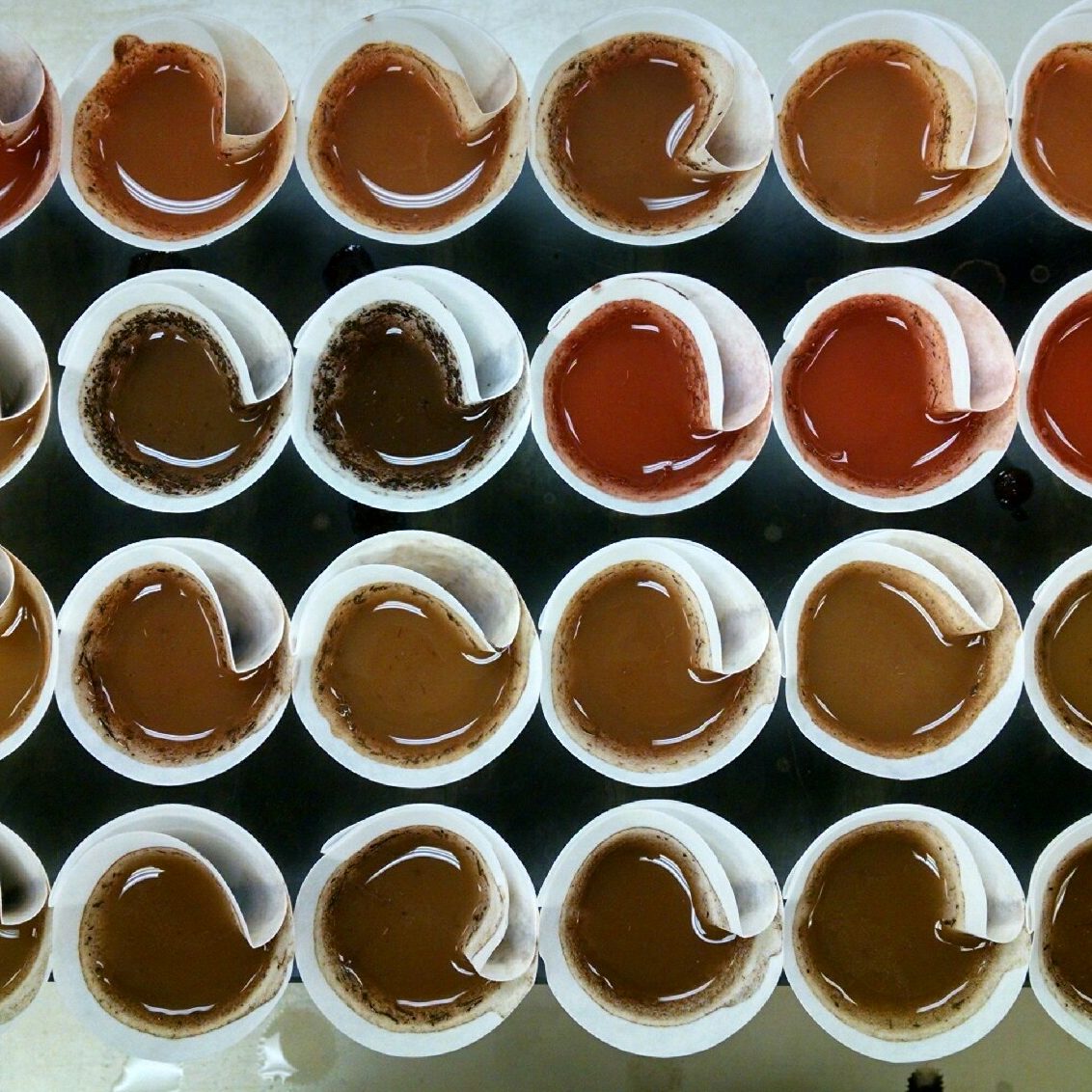
Soil Testing
Expand content up

Gardening Resources

Tennessee Home Fruit and Vegetable Garden Calendar (W436)
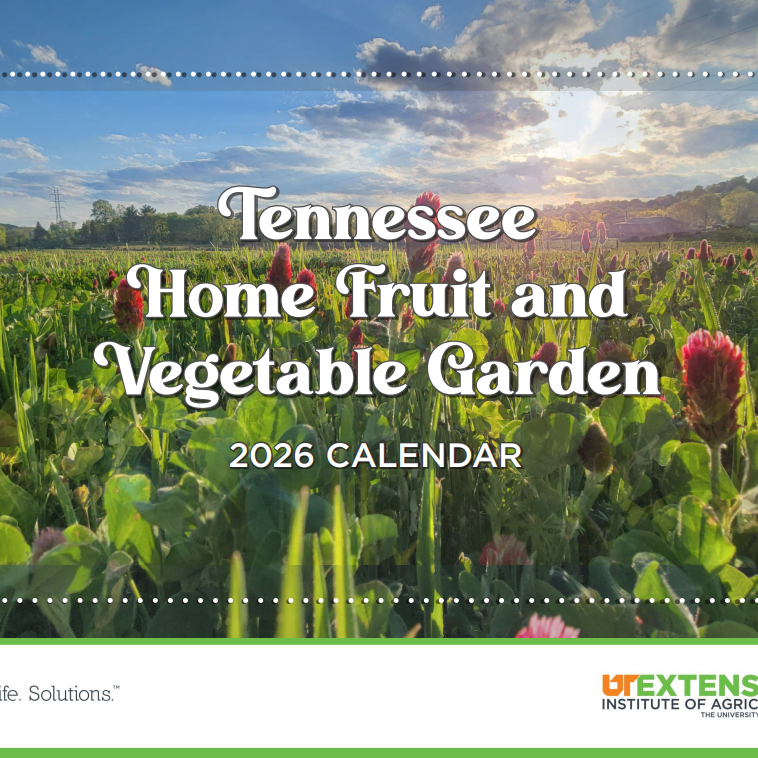
2026 TN Home Fruit and Vegetable Garden Calendar
Expand content up

2026 Tennessee Home Fruit and Vegetable Garden Calendar

Herbicide Reference Guide For
Vegetation Management (SP1047)

Herbicide Guide For Vegetation Management
Expand content up

Herbicide Reference Guide For Vegetation Management

UT HORT on Youtube

UT HORT Logo

UT HORT on YouTube

Local Horticulture Resources

Big Spring Master Gardener Association
Expand content up
Residential and Consumer Horticulture
Expand content up
Connect with Anna
Expand content up
"Greene County Plant Press"
Expand content up

Horticulture Resources from UTIA
UT Hort
Expand content up
Tennessee Extension Master Gardener Program
Expand content up
Soil Testing
Expand content up
UT Extension Pubs
Expand content up